
Leaky Gut Syndrome: Causes, Effects & Healing Tips
If you’ve been dealing with bloating, food sensitivities, fatigue, joint pain, or skin issues that never seem to resolve — and you’ve been told your labs are “normal” — leaky gut may be the missing piece. It’s one of the most common root causes I uncover in my Plano practice, and it rarely shows up on a standard blood panel.
What Is Leaky Gut Syndrome?
Your intestinal lining is designed to be selectively permeable — allowing nutrients through while keeping bacteria, undigested food particles, and toxins out. “Leaky gut” refers to increased intestinal permeability, where the tight junctions between intestinal cells loosen and allow substances to pass into the bloodstream that shouldn’t be there.
Once these particles enter circulation, your immune system treats them as foreign invaders, triggering an inflammatory response. Over time, this chronic, low-grade inflammation can contribute to symptoms throughout the body — not just in your digestive system.
Common Causes of Leaky Gut
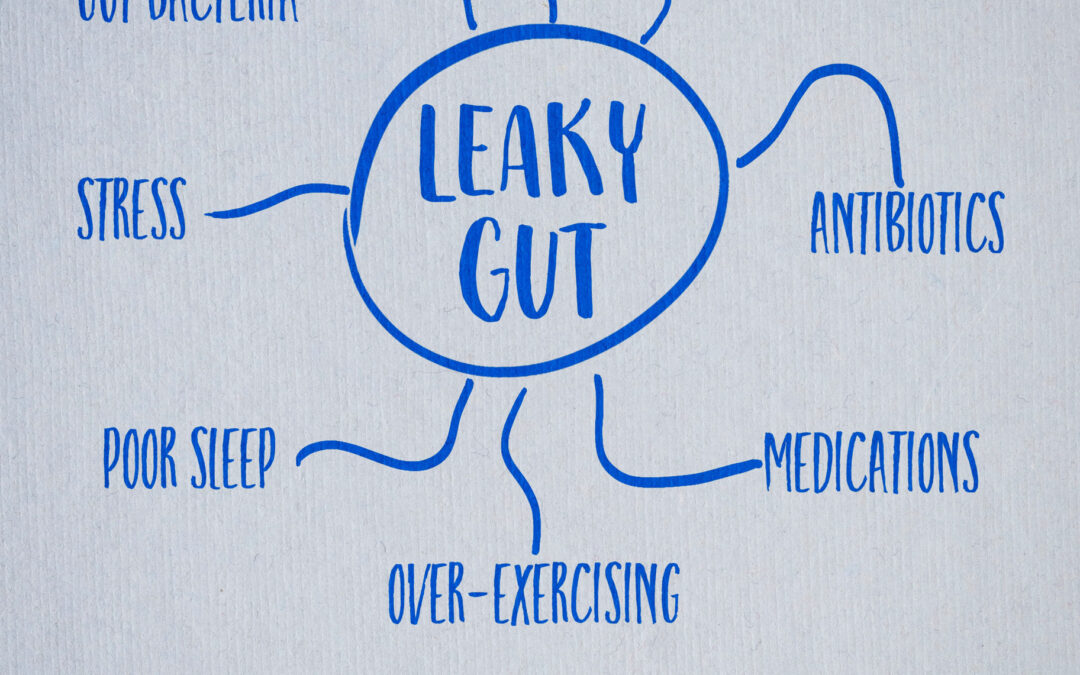
- Chronic stress — sustained stress alters gut motility and the integrity of the intestinal lining
- Poor diet — processed foods, excess sugar, and inflammatory oils can damage the gut lining over time
- Antibiotic overuse — disrupts the beneficial bacteria that support gut barrier function
- Alcohol consumption — directly irritates and weakens the intestinal lining
- Gut bacteria imbalance — an overgrowth of harmful bacteria relative to beneficial strains
- Chronic inflammation — from food sensitivities, autoimmune activity, or environmental exposures
How Leaky Gut Shows Up in the Body
This is where functional medicine differs most from conventional care: we don’t just look at digestive symptoms. Leaky gut has been linked to a wide range of seemingly unrelated issues, including:
- Persistent bloating, gas, or digestive discomfort
- Food sensitivities that seem to be increasing over time
- Chronic fatigue and brain fog
- Joint pain and inflammation
- Skin issues like eczema or acne
- Mood changes, including anxiety and low mood
- Frequent illness or a weakened immune response
If you’ve been treating these symptoms individually without real resolution, it’s worth stepping back and asking whether gut health could be the common thread.
Healing Tips: A Root-Cause Approach
1. Identify and remove triggers. This starts with functional lab testing to identify food sensitivities, bacterial imbalances, and inflammatory markers specific to your body — not a generic elimination diet.
2. Support the gut lining nutritionally. Nutrients like L-glutamine, zinc, and collagen-supporting foods play a role in repairing the intestinal barrier.
3. Rebuild your microbiome. Probiotic and prebiotic-rich foods help restore a healthy balance of gut bacteria, which is essential for long-term gut barrier integrity.
4. Manage stress intentionally. Since stress directly impacts gut permeability, addressing it isn’t optional — it’s part of the protocol.
5. Reduce inflammatory inputs. This means minimizing processed foods, excess sugar, and alcohol while your gut lining heals.
Why Testing Matters More Than Guessing
I rarely recommend a generic “leaky gut protocol,” because the underlying causes are different for every client. Comprehensive functional lab testing helps identify exactly what’s driving your symptoms — whether that’s a specific bacterial overgrowth, a food sensitivity, or a chronic stress response — so we can build a plan around your actual root cause instead of guessing.
Frequently Asked Questions
Is leaky gut a recognized medical diagnosis?
Increased intestinal permeability is a recognized physiological phenomenon studied in medical research, though “leaky gut syndrome” as a standalone diagnosis is more commonly used within functional and integrative medicine. Regardless of terminology, the underlying gut barrier changes and their downstream effects are worth addressing.
How long does it take to heal leaky gut?
This varies significantly by individual, but many clients notice initial improvements within 4-6 weeks of a targeted protocol, with more complete healing often taking 3-6 months depending on the underlying causes and consistency.
Can leaky gut come back after it’s healed?
Yes, if the original triggers — chronic stress, poor diet, or other factors — aren’t addressed long-term. This is why we focus on sustainable lifestyle changes rather than a short-term fix.
Do I need testing, or can I just try an elimination diet?
An elimination diet can be a helpful starting point, but testing gives us specific, actionable information about what’s actually driving your symptoms, which typically leads to faster and more targeted results.
Ready to Find Your Root Cause?
If chronic symptoms have left you without real answers, a Functional Medicine Assessment can help identify what’s actually happening in your gut and body. Schedule your consultation or call us at (214) 789-5563.
This article is for educational purposes and isn’t a substitute for medical advice. Please consult your doctor regarding any specific health concerns.
Fit N Vitality | Shannon Rene, RD, LD, CFMP
2301 Ohio Dr, Suite 245, Plano, TX 75093 | (214) 789-5563